Most UK central government tender documents are free to access online, including documents for contracts over £10,000, while the costs sit in portal setup, compliance work and bid preparation time. For above-threshold opportunities, Find a Tender is usually used for contracts over £139,688 including VAT, and Contracts Finder covers many lower-value opportunities.
That challenges the most popular advice about tender document price. The question sounds like a simple download-fee query, but it usually points SMEs towards the wrong cost. You're rarely paying for the PDF. You're paying in management time, accreditation, commercial review and the hours needed to produce a compliant response.
The distinction matters. If you treat document access as the main barrier, you may reject viable opportunities or budget for a fee that shouldn't exist. If you measure the full cost of participating, you can decide rationally whether a tender deserves your team's time.
The Tender Document Price Myth
The assumption that public sector tender documents are sold like premium reports is usually wrong. Central government guidance says tender documents for contracts over £10,000 must generally be published online and made available free of charge through a single website, as set out by the National Archives transparency requirements.
That means most UK public procurement documents shouldn't carry a simple access fee. Find a Tender is free to use, and suppliers shouldn't have to pay just to view public sector opportunities. If a portal presents a charge, treat it carefully. It may be a private procurement exercise, a buyer-specific accreditation process or an optional commercial service rather than a legal requirement to purchase the tender pack.
The trap is measuring only what appears on an invoice. A document can cost nothing to download and still consume hours of senior staff time before you know whether the opportunity is suitable.
The cost that doesn't appear on the tender notice
Your team may need to:
- Register across portals: Create accounts, verify supplier information and manage notifications.
- Check eligibility: Review insurance, policies, financial information, accreditations and exclusions.
- Read the pack: Extract mandatory requirements, contract risks, pricing rules and submission conditions.
- Prepare evidence: Find relevant credentials, case studies, method statements and supporting documents.
- Build the commercial response: Complete the buyer's pricing schedule and reconcile it with the written proposal.
That is why an SME owner should assess a tender like any other investment decision. Guidance on pricing for CFO financial oversight is useful context because the relevant question is not “what does the document cost?” but “what resource am I committing, and what commercial return would justify it?”
Bidwell's tender monitoring can help with the first filter, while its knowledge base and AI response generation address the work that follows. The document is free. Your attention isn't.
How UK Procurement Rules Shape Document Access
The UK route to tender documents changed structurally on 1 January 2021, when Find a Tender replaced the EU's Tenders Electronic Daily for high-value contracts in the UK. Government guidance now directs buyers towards Find a Tender for contracts usually above £139,688 including VAT, while Contracts Finder continues to publish below-threshold opportunities and central government tender documentation for contracts over £10,000. See the official Contracts Finder guidance for the current route.
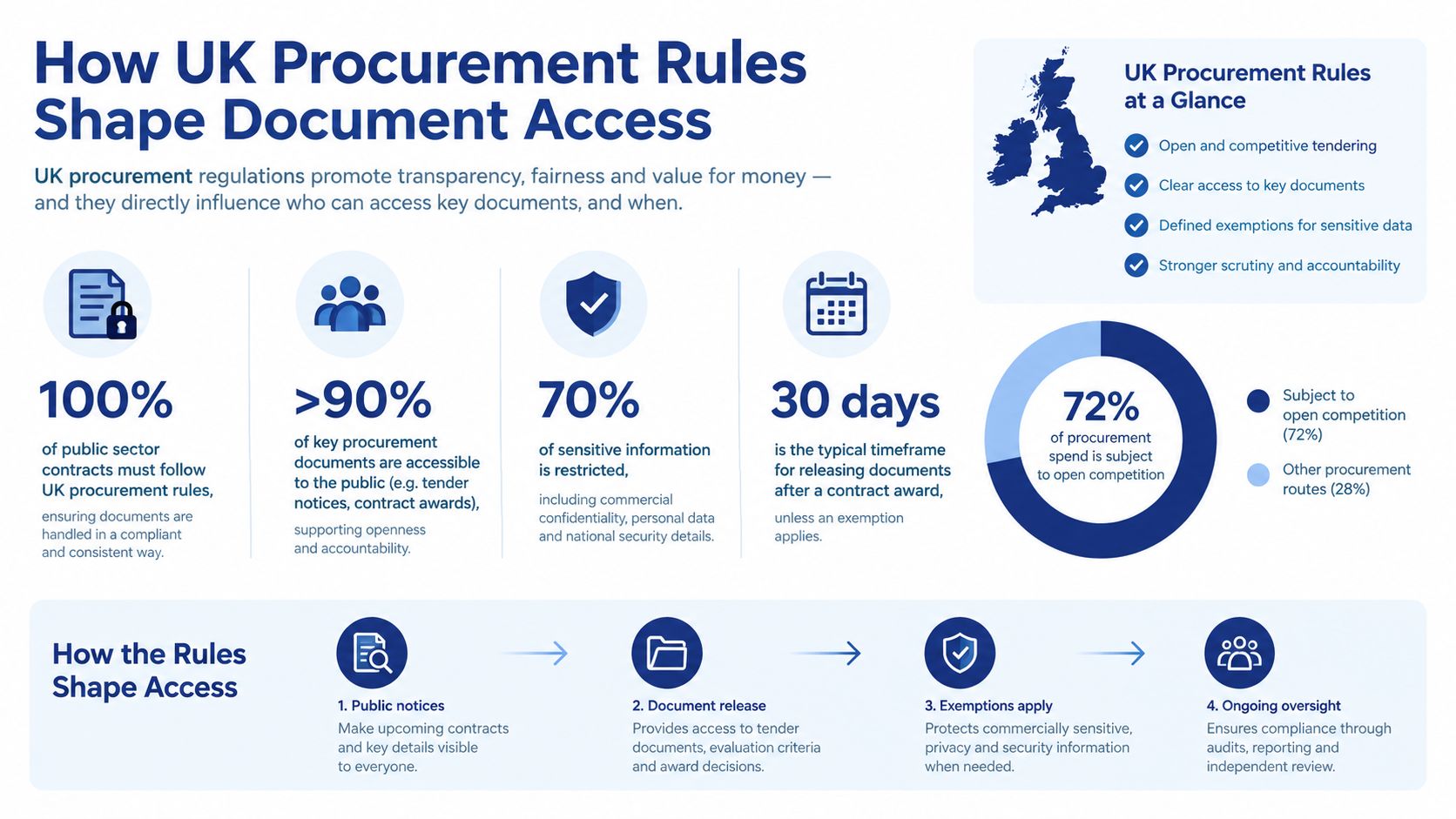
The result is a digital access model, not a document-sales model. Buyers publish notices, associated documents and instructions through official or buyer-linked systems. The commercial value sits in the contract, not in selling access to the specification.
Thresholds change what you see
Thresholds still matter because they influence the notice route and the amount of information available before a supplier commits resources. Find a Tender search results can show contract and lot values both including and excluding VAT, so you need to read the commercial context rather than rely on one headline figure.
Under Procurement Act 2023 guidance, the relevant estimated contract value includes VAT. From 1 January 2026 to 31 December 2027, the thresholds are £135,018 for central government goods or services, £207,720 for sub-central authorities and £5,193,000 for works, according to the official procurement thresholds guidance.
This is why your monitoring process must cover the portals that match your market. A practical overview of the procurement process in 2026 can help with the wider journey, but portal coverage alone isn't enough. You still need a way to assess relevance, commercial exposure and response effort.
The reforms also point towards lower friction. The central digital platform guidance describes a single digital route and shorter electronic tendering timelines of 25 days in standard cases. That gives SMEs less room for a slow, manual response process.
What Tender Price Really Means in a Response
Once you've accessed the pack, tender price means the commercial offer you submit, not the cost of opening the document. Buyers commonly place that offer in a separate pricing response, often a spreadsheet or schedule of rates, alongside the technical response.
Follow the buyer's format exactly. If the template asks for pounds sterling excluding VAT, submit rates in that form. Don't bury prices in narrative text, change the spreadsheet structure or assume the evaluator will repair a mismatch between your written proposal and your pricing schedule.
The separation has a purpose. It allows the buyer to assess quality and price independently, then apply the published evaluation method. Your technical response can be excellent and still lose commercial marks if the pricing file is incomplete, inconsistent or calculated on the wrong basis.
Read the pricing instructions before setting rates
Check these points before entering a figure:
- Contract period: Confirm whether the evaluation covers the initial term, extensions or both.
- Pricing unit: Identify whether the buyer wants hourly rates, unit prices, a lump sum, a bill of quantities or a schedule of rates.
- VAT treatment: Follow the stated instruction and keep your internal model clear about whether VAT is included.
- Assumptions: Record delivery, staffing, travel, subcontracting and service-level assumptions.
- Reconciliation: Make sure totals agree across the spreadsheet, commercial response and implementation plan.
One UK Find a Tender template evaluates price across the full contract term, including extensions. The lowest overall cost receives full marks, with other bids scored proportionally against that benchmark, as explained in the government's guidance on bidding for government contracts as an SME.
Do not respond by cutting margin blindly. First calculate the full delivery cost, identify risks in the contract and decide whether the opportunity remains profitable. Tools such as government proposal software can help organise proposal work, but your commercial owner still needs to validate every rate and assumption.
The Hidden Costs Most Bidders Ignore
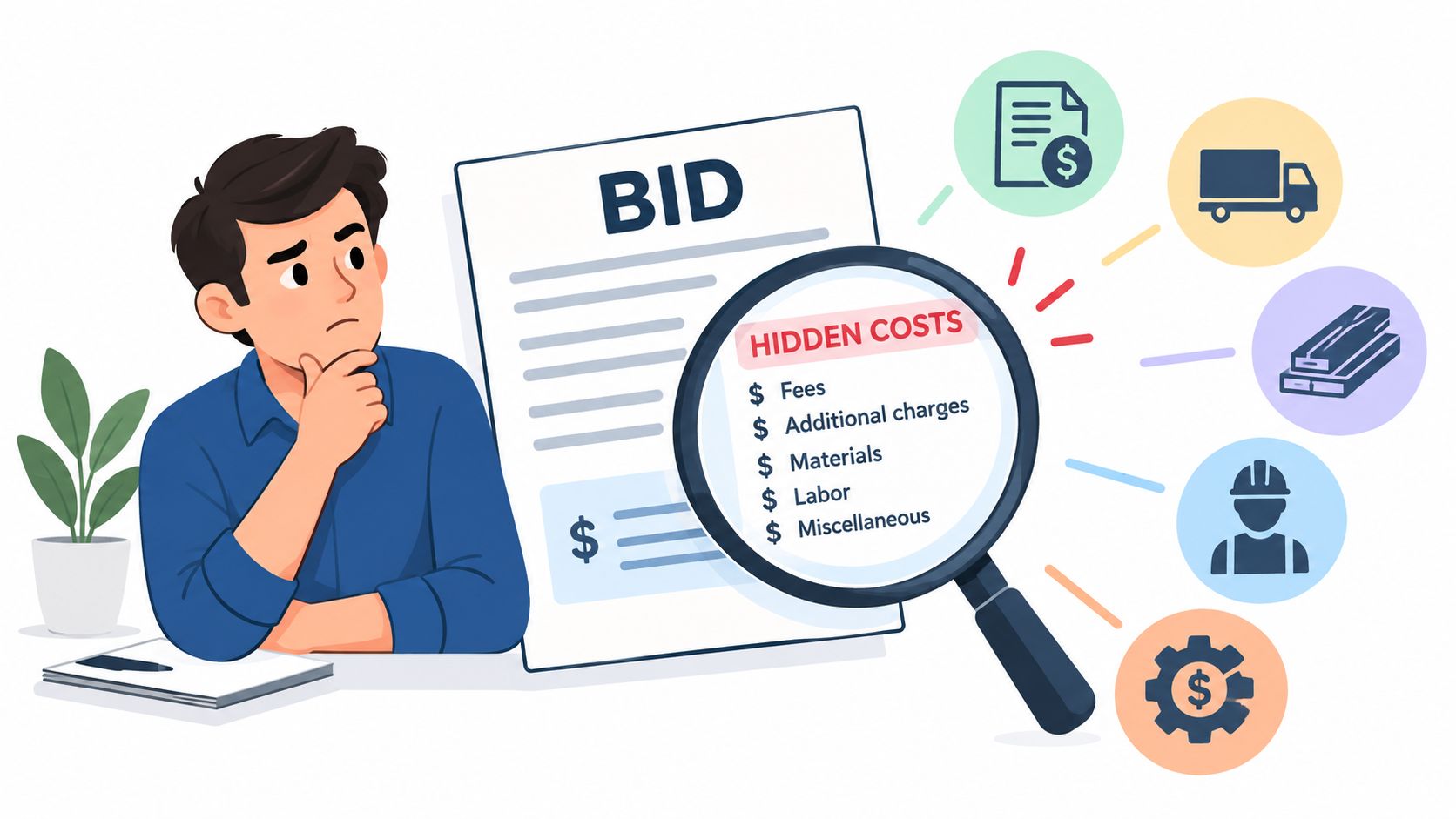
Free access doesn't make a bid free. An SME can download the documents without paying and still spend valuable time registering on a portal, checking eligibility, collecting evidence and working through a pricing model that may never reach submission.
Consider a small services firm with one director, an operations manager and a bid writer. The director checks the opportunity, the operations manager confirms delivery capacity and the bid writer starts the response. Before drafting begins, they may discover that an accreditation needs renewal, a policy needs updating or a buyer-specific form requires information held in another system.
The participation bill has several layers
The visible document price is only one line, and usually a zero-cost line. The wider bill includes:
- Portal administration: Account creation, supplier profiles, document permissions and notification management.
- Accreditation: Some accreditations have annual fees and renewal dates. Neutral industry guidance recommends buying them only when requested, rather than speculatively, as outlined in this UK tender portal guidance.
- Compliance preparation: Policies, certificates, financial information and declarations need checking before upload.
- Bid labour: Reading, drafting, reviewing, formatting and submitting all consume paid working time.
- Opportunity cost: Staff working on a weak-fit tender aren't serving customers, improving delivery or pursuing better prospects.
Track these costs separately. If you combine them into a vague “bid effort” figure, you won't know whether the problem is poor opportunity selection, slow document handling or inefficient writing.
The better management question is simple: what will this tender cost us to participate in properly? Bidwell's monitoring can reduce wasted search time, its knowledge base can reduce evidence hunting and its AI response generation can reduce repetitive drafting. Those functions don't remove commercial judgement, but they make the resource commitment visible earlier.
When Document Charges Are Legitimate
A charge attached to a tender pack isn't automatically improper. Private-sector procurements may charge where the pack contains proprietary data, extensive technical material or information prepared specifically for a competitive process. Some utility, defence and international opportunities can also use different access arrangements.
Public procurement needs more scrutiny. Central government tender documents over £10,000 should generally be published online and free of charge, so a request for payment merely to view standard paperwork deserves an explanation. Ask what the fee covers, whether it's mandatory, who requires it and whether the buyer provides an official alternative route.
Separate the fee from the real decision
Use this test:
| Question | What it tells you |
|---|---|
| Is the buyer a public authority using an official route? | Whether standard free access should be available |
| Is the charge for the documents or for accreditation? | Whether you're paying for information or a compliance process |
| Does the pack contain proprietary or specialist material? | Whether a private commercial justification exists |
| Can the buyer confirm the requirement in writing? | Whether the cost is genuine and authorised |
| What will the full bid require from your team? | Whether the opportunity is viable regardless of access |
The three costs remain connected. Access determines whether you can inspect the opportunity. Portal setup and accreditation determine whether you can participate. Preparation time determines whether the bid can be submitted with enough quality and commercial control.
Don't walk away from a good tender because someone labels a portal service a “document fee”. Equally, don't accept a charge without checking the procurement route and the buyer's instructions.
Practical Ways to Reduce Total Tender Costs
You can't remove every cost, but you can stop spending scarce hours on tenders that don't fit. The first control is a disciplined go or no-go decision based on service fit, geography, capacity, eligibility, likely margin and response effort.
Use Bidwell's bid writing software as part of a process, not as a substitute for one. Its relevance here is practical: tender monitoring finds opportunities, the knowledge base organises your reusable evidence and AI response generation helps create a first draft from the material you already hold.
Build the operating routine first
Define your bid profile. Record the services, sectors, locations, contract sizes and buyer types you can deliver profitably.
Filter alerts hard. An alert that doesn't match your capabilities is not useful intelligence. It's another item for someone to review.
Create one evidence base. Store accreditations, policies, case studies, CVs, insurance details, methodologies and standard answers in controlled versions.
Map requirements early. Extract mandatory forms, evaluation criteria, clarification deadlines, pricing schedules and submission rules before anyone starts prose.
Draft from approved evidence. Reuse sound material, then tailor it to the buyer's outcomes, scope and evaluation criteria.
Review commercially. A director or finance lead should check rates, VAT treatment, assumptions, extensions and contract risks before submission.
This approach reduces repetition without encouraging copy-and-paste bids. Your knowledge base supplies the evidence, AI response generation creates a customized working draft and the bid team adds judgement, challenge and buyer-specific detail.
How Bidwell Changes the Cost Equation
Manual tendering usually spreads work across several disconnected activities. Someone searches Find a Tender, Contracts Finder, Public Contracts Scotland and Sell2Wales. Someone else reads specifications, another person hunts for credentials and the writer starts drafting in a blank document.
Bidwell brings those three activities into one operating pattern. Tender monitoring delivers daily alerts with AI-generated summaries of relevant opportunities across those major UK portals. The knowledge base holds credentials, past responses and case studies. AI response generation produces a customized tender response for the team to review and refine.
The platform's stated workflow turns a 20 to 40 hour writing task into 2 to 4 hours of review and refinement, according to the publisher's product information at Bidwell's platform overview. Treat those figures as a planning reference, not a promise. The quality of your source material, tender complexity and review discipline still determine the final workload.
Put the controls in the right order
- Monitor first: Stop paying senior staff to search irrelevant portals manually.
- Organise second: Keep approved evidence available before a live tender arrives.
- Generate third: Use AI to assemble a response against the tender's requirements.
- Review last: Check compliance, factual accuracy, pricing schedules, assumptions and tone before submission.
The pricing section still needs human ownership. AI can locate a buyer's pricing schedule, extract instructions and help structure answers, but it shouldn't invent rates or decide whether a risky contract is profitable.
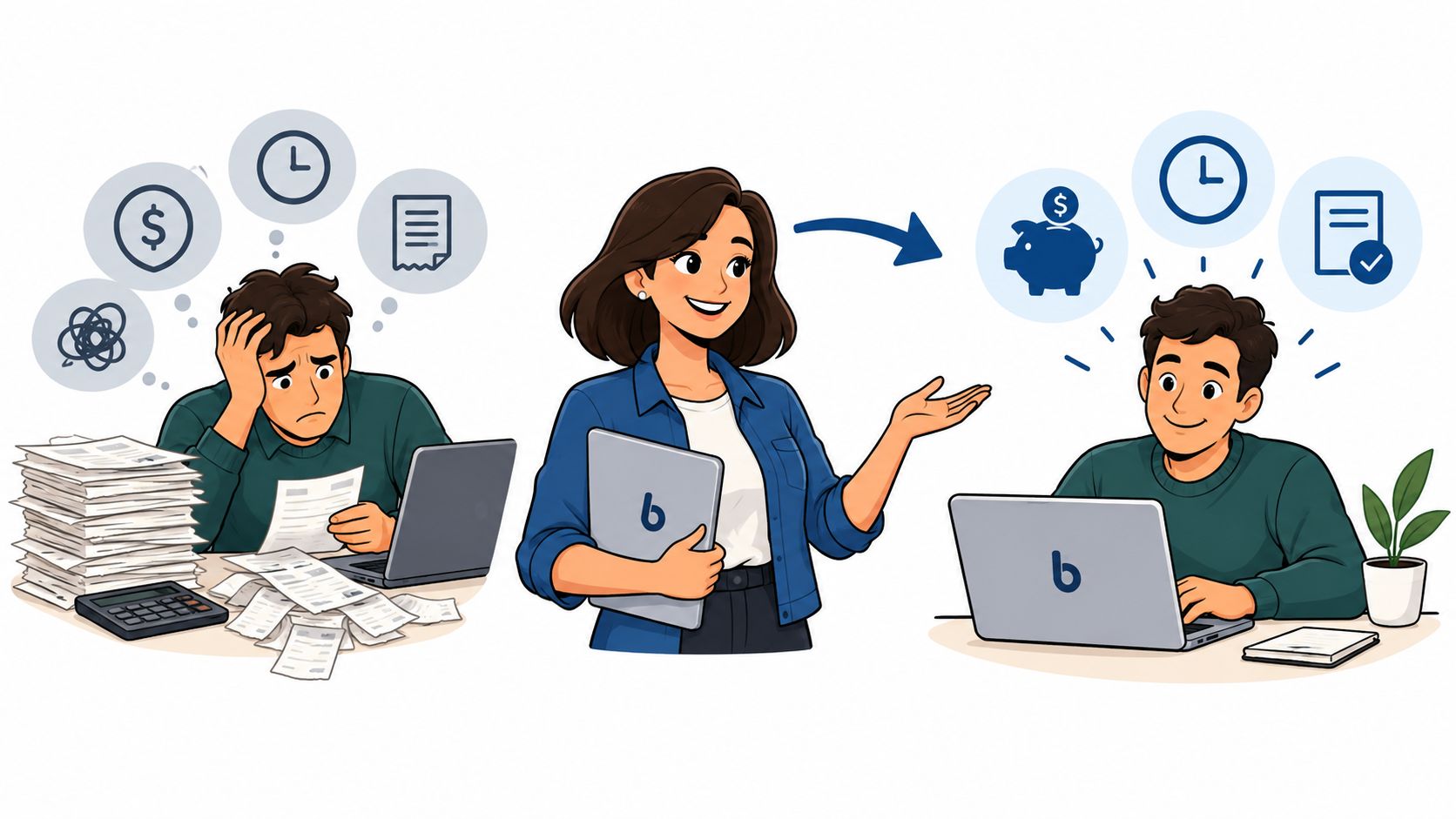
That division of labour is the sensible cost model. Automation handles search and first-pass preparation. Your team controls qualification, commercial judgement and final accountability.
Final Thoughts on Tender Document Price
The phrase tender document price suggests a download charge. For most UK central government opportunities, that's the wrong starting point. The documents are generally free, while the meaningful costs sit in portal administration, accreditation, compliance work and response preparation.
The manual route gives you maximum control but consumes attention. Your team searches several portals, reads every notice, rebuilds evidence and drafts familiar answers repeatedly. A structured process costs time to establish, but it gives you a reusable knowledge base, clearer qualification and a more consistent way to handle pricing information.
A platform such as Bidwell adds another option. Its tender monitoring reduces the search burden, its knowledge base keeps evidence organised and its AI response generation supports drafts. You still need a bid manager or senior reviewer to test the response against the tender, verify the facts and approve the commercial offer.
The Procurement Act guidance says a contracting authority must provide enough information in the notice or associated documents for suppliers to prepare tenders, as set out in the competitive tendering procedures guidance. Use that information properly. Build your compliance view early, identify the pricing schedule before drafting and reject opportunities that don't justify the work.
If you want to compare a manual process with a structured workflow, book a Bidwell demo. You'll see how monitoring, a knowledge base and AI response generation can help your team spend less time searching and rebuilding, and more time deciding which bids deserve a serious commercial response.
Bidwell monitors major UK tender portals, organises your credentials and past responses in a knowledge base, and generates customised tender drafts for review. Visit Bidwell to see how it can reduce the hidden time cost behind tender document price and help your SME bid with better control.